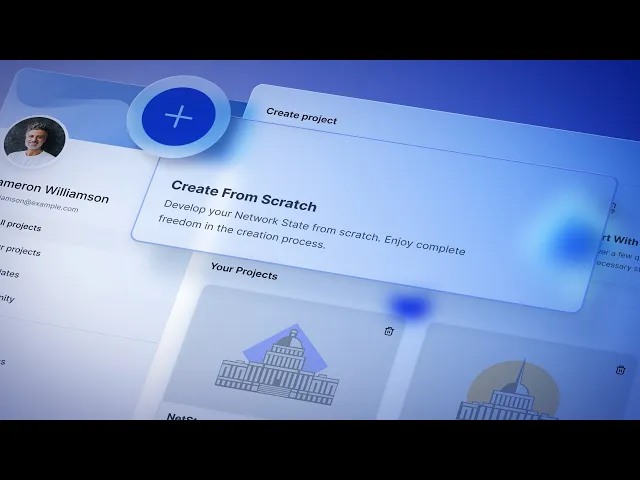
Project Overview
Background
Statecraft is a Web3 platform for designing and launching fully decentralized governance systems. Users can build custom governance structures from modular blocks, deploy them on-chain, and enable transparent, private voting. All without writing code.
Challenge
Make a complex governance system intuitive for first-time users
Objectives
Simplify state creation from scratch for users without political background.
Increase engagement and trust across voting flows.
Develop features and flows to retain users after creating a digital state.
Team


+5
My role
Product Designer
End-to-end product design
Multi-platform design
UI-kit creation
User-testing
Timeline
6 month
About the Statecraft

Statecraft
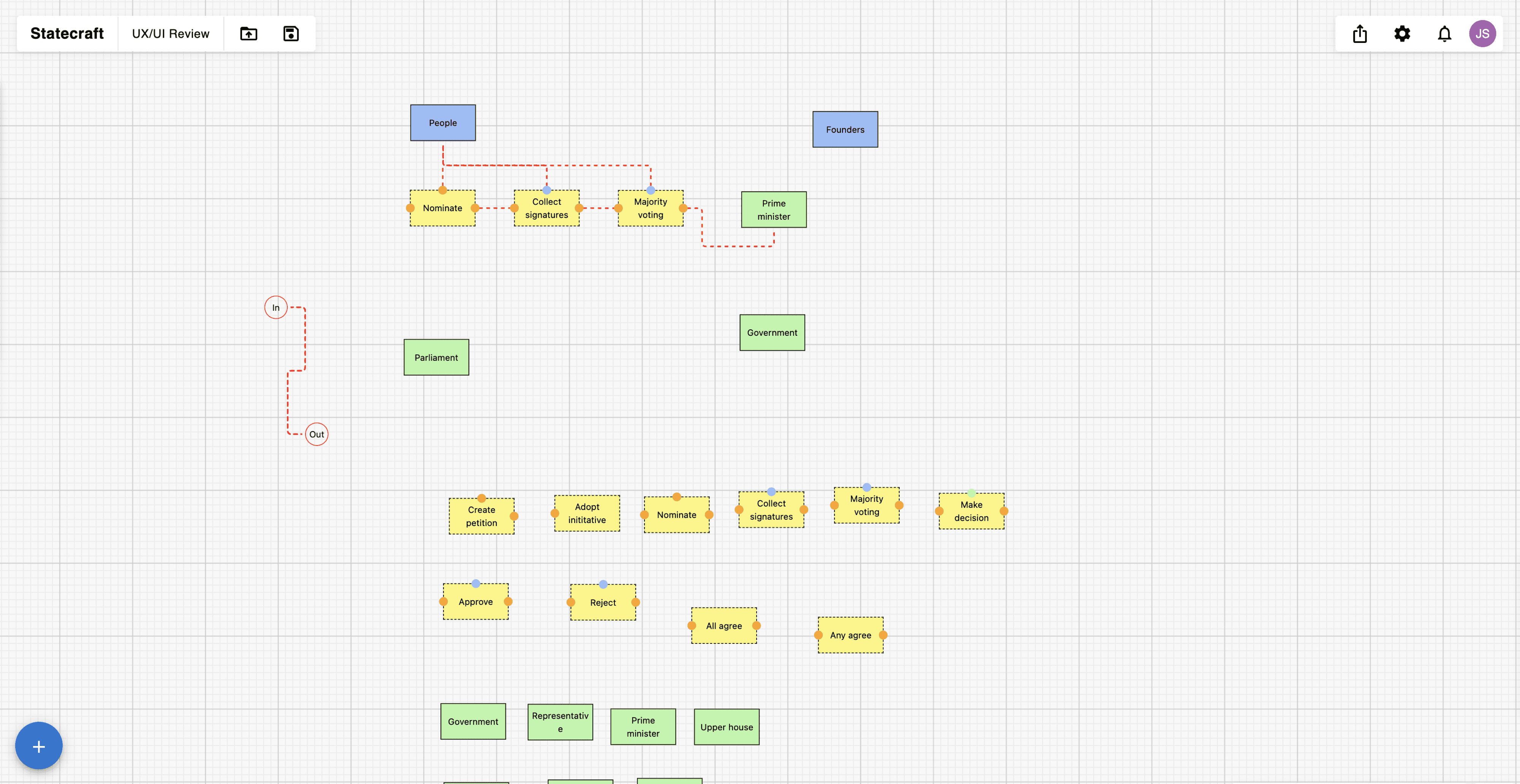
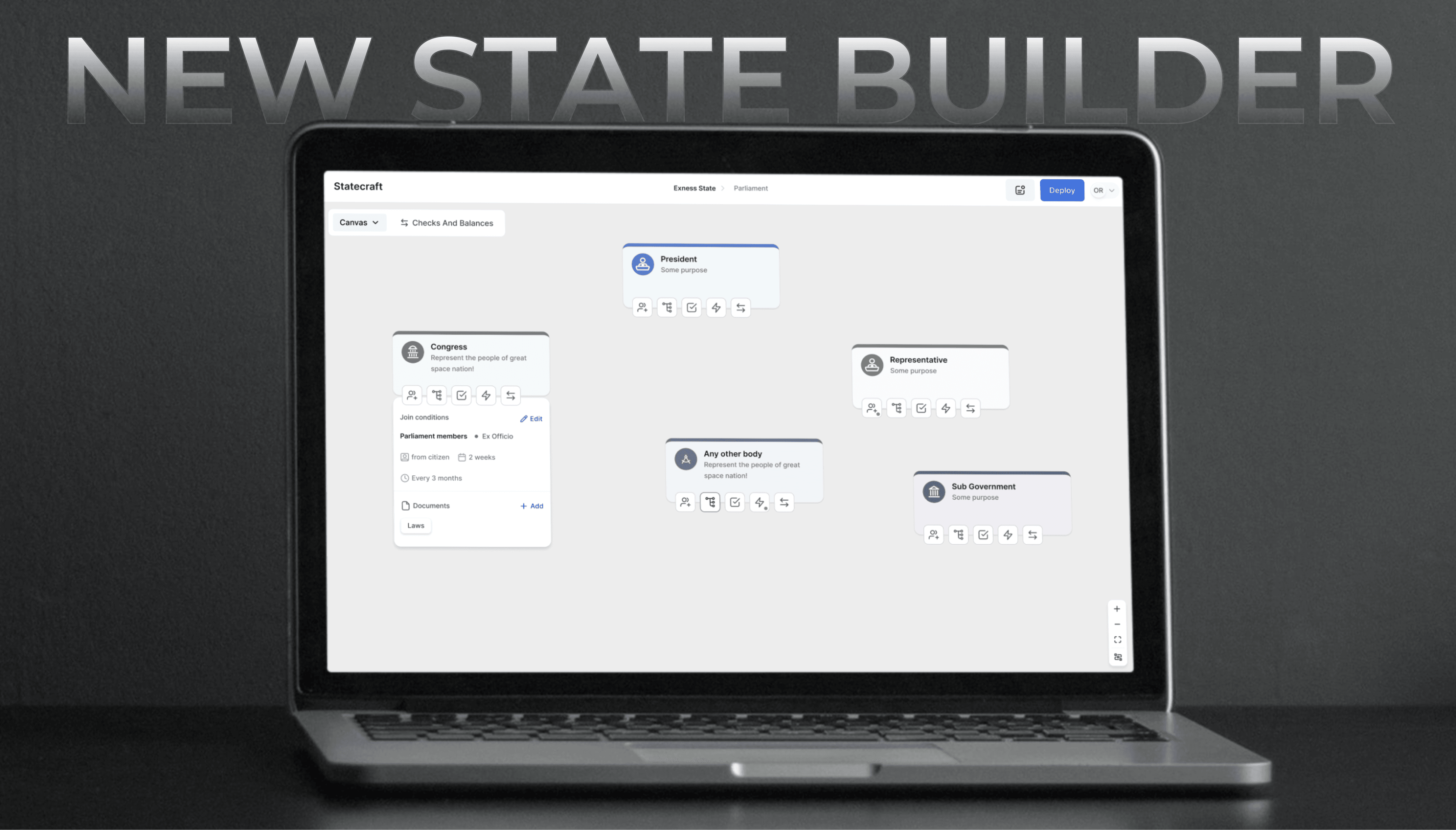
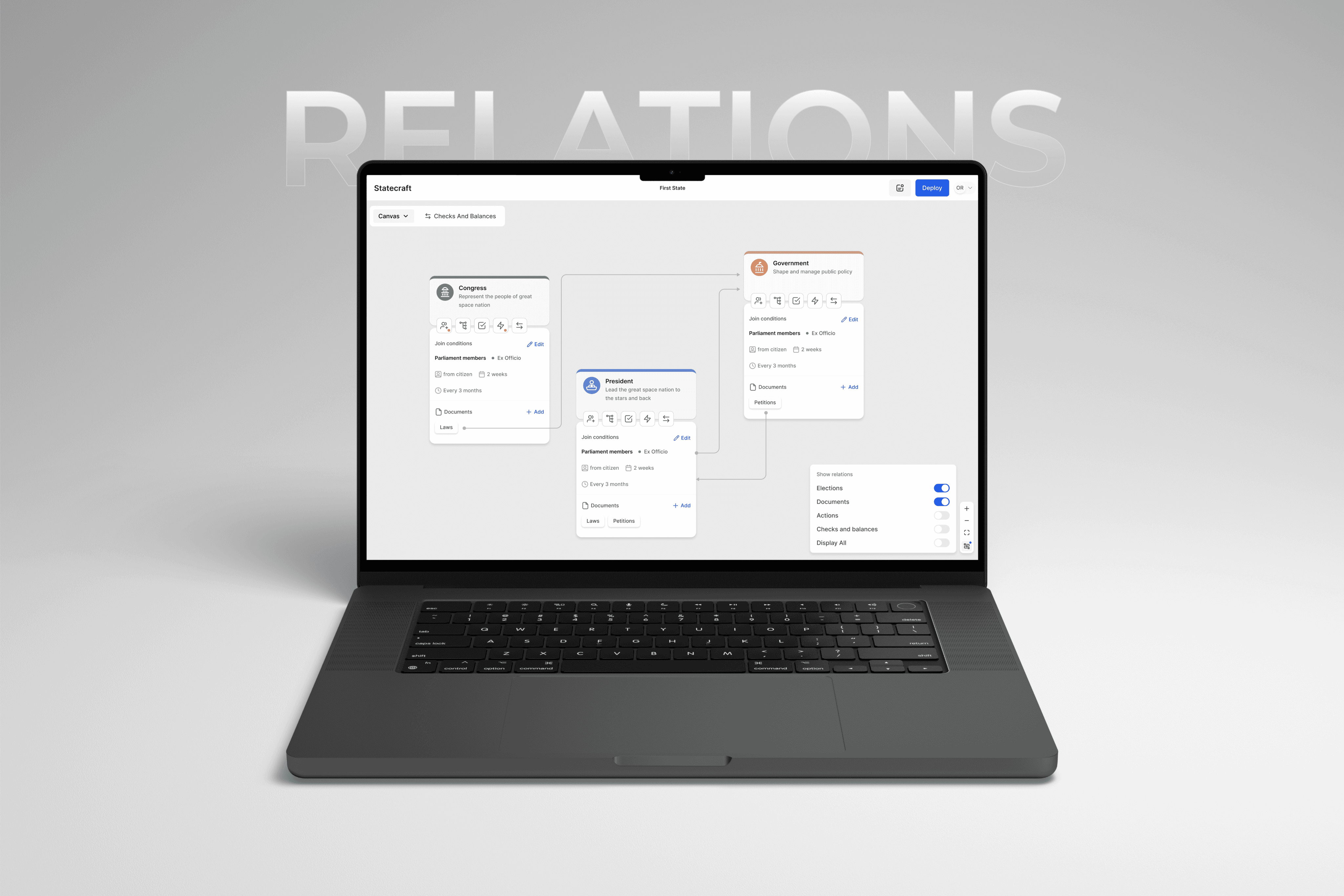
Statecraft enables online communities to explore novel governance models using drag-and-drop tools and deploy them on blockchain with built-in checks and balances for authority and voting transparency.
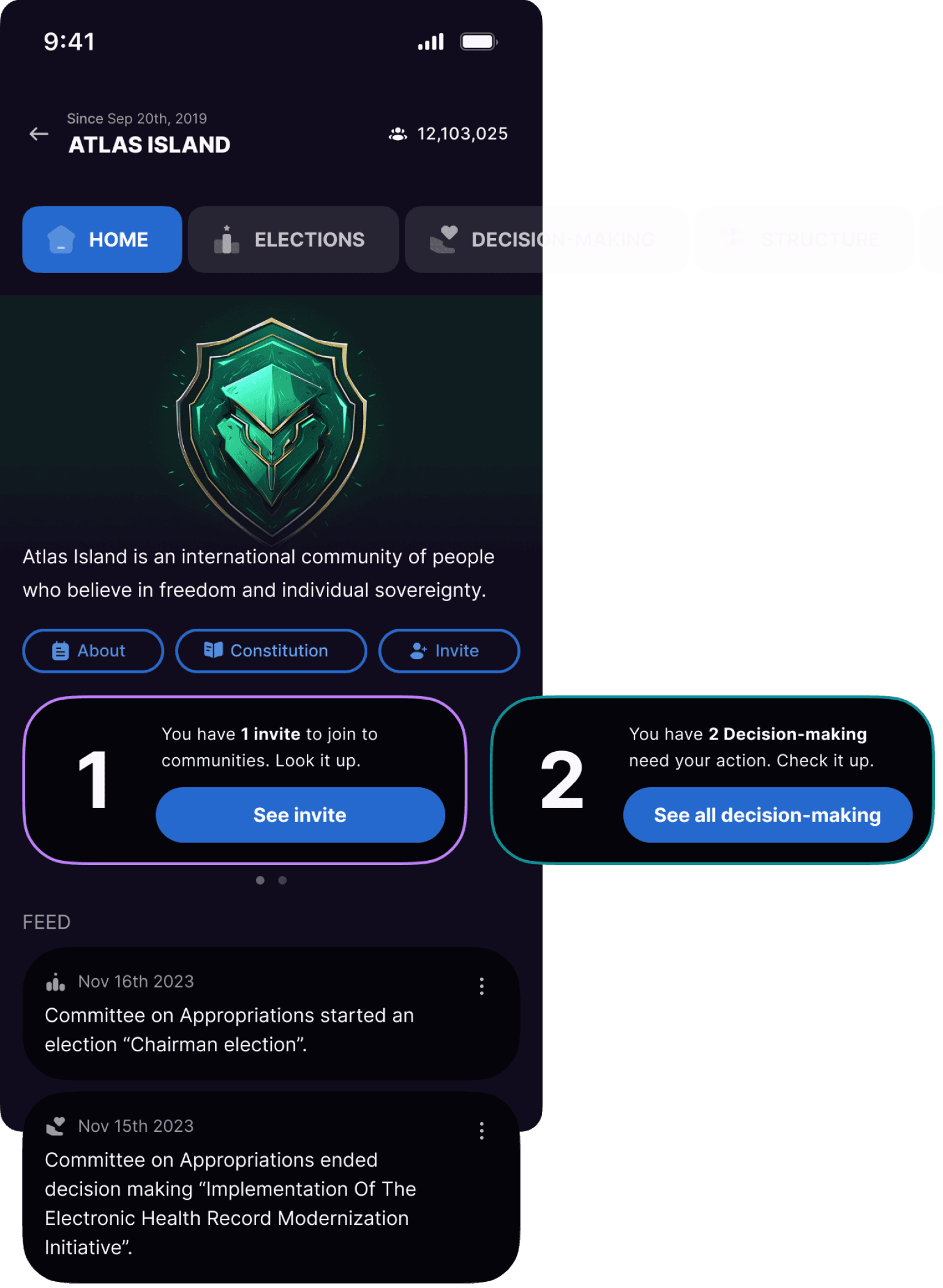
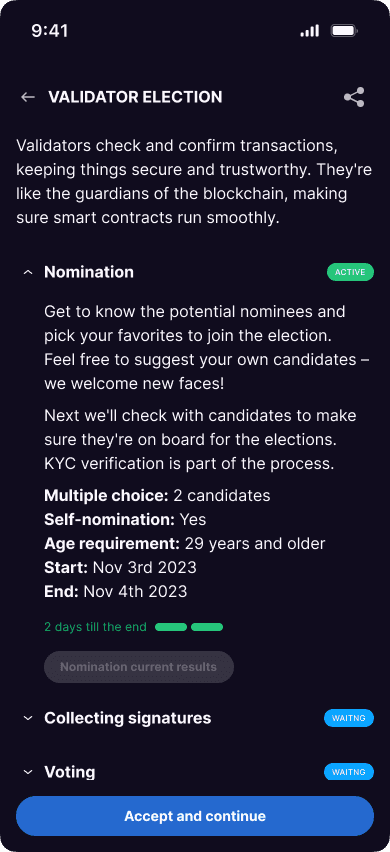
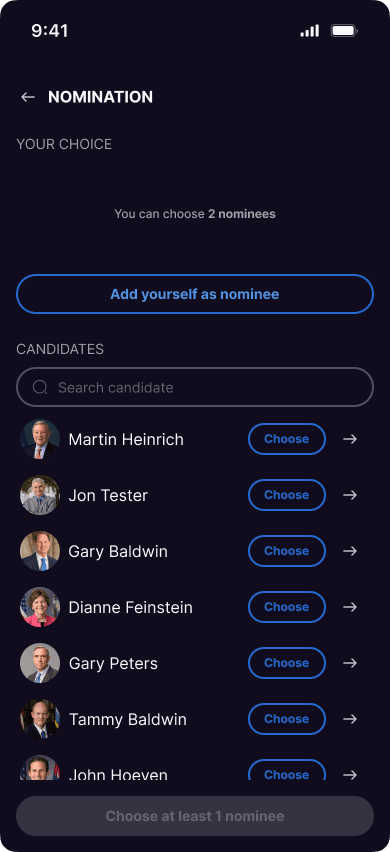
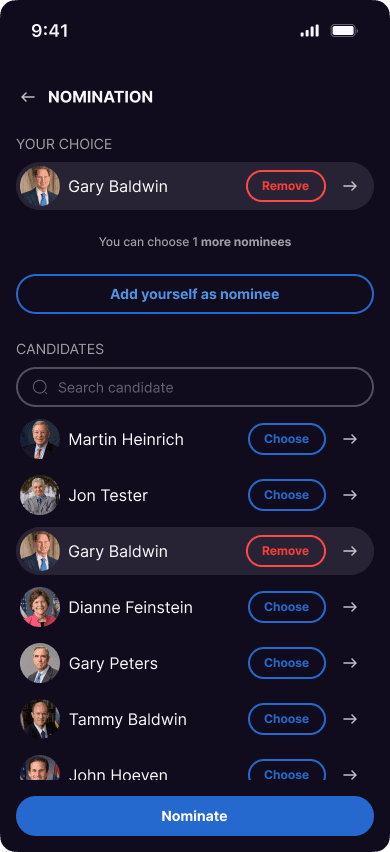
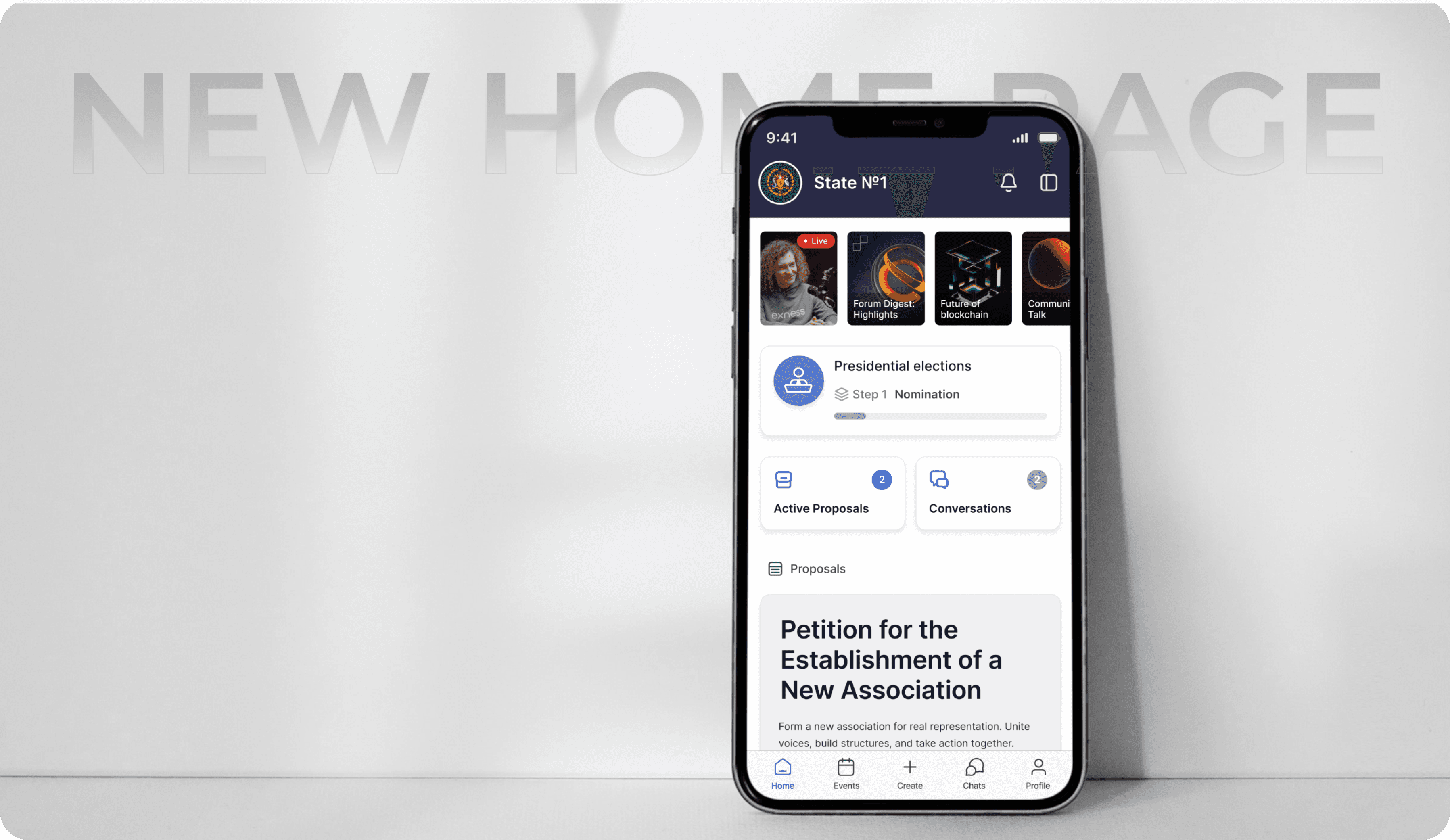
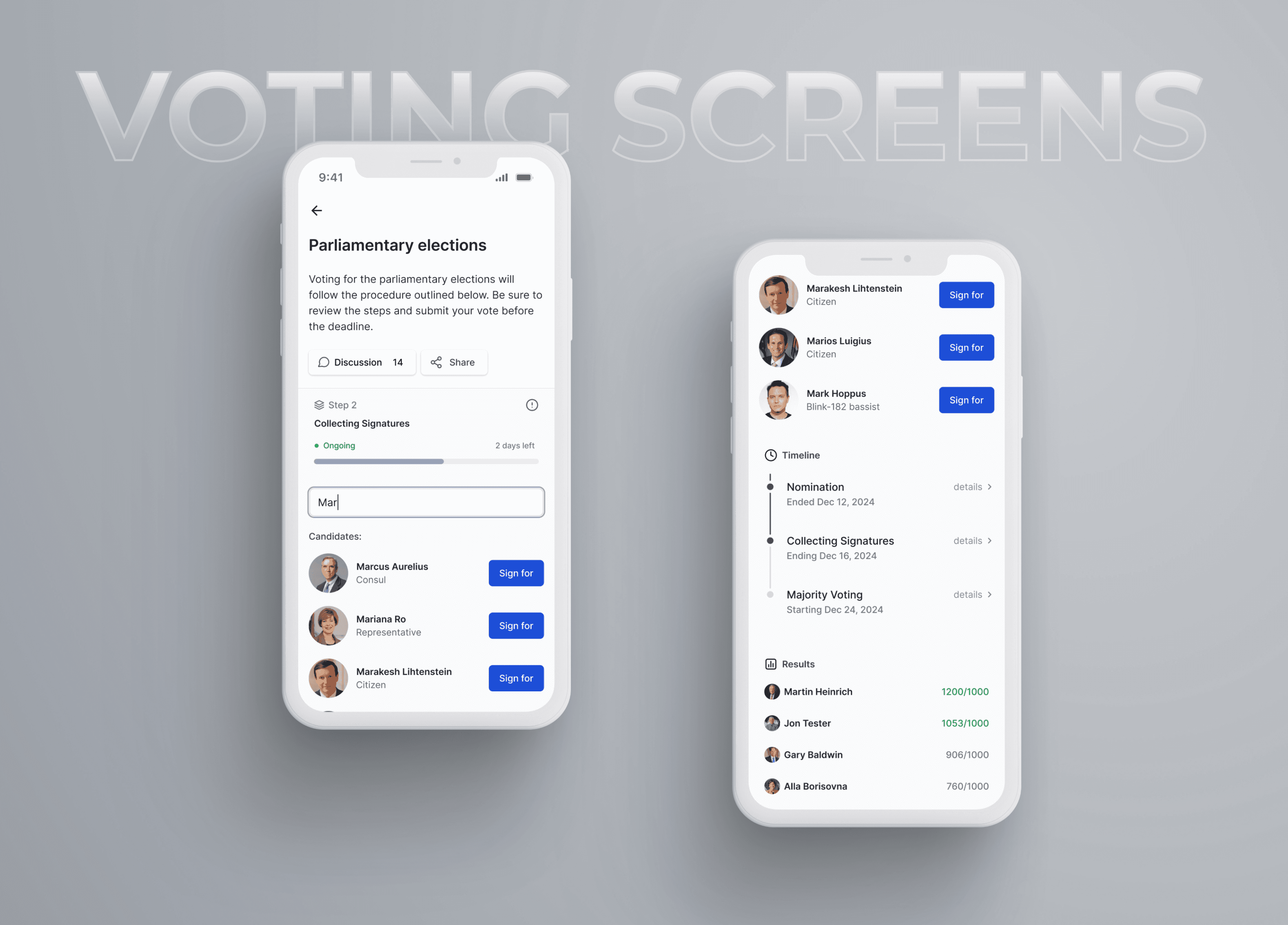
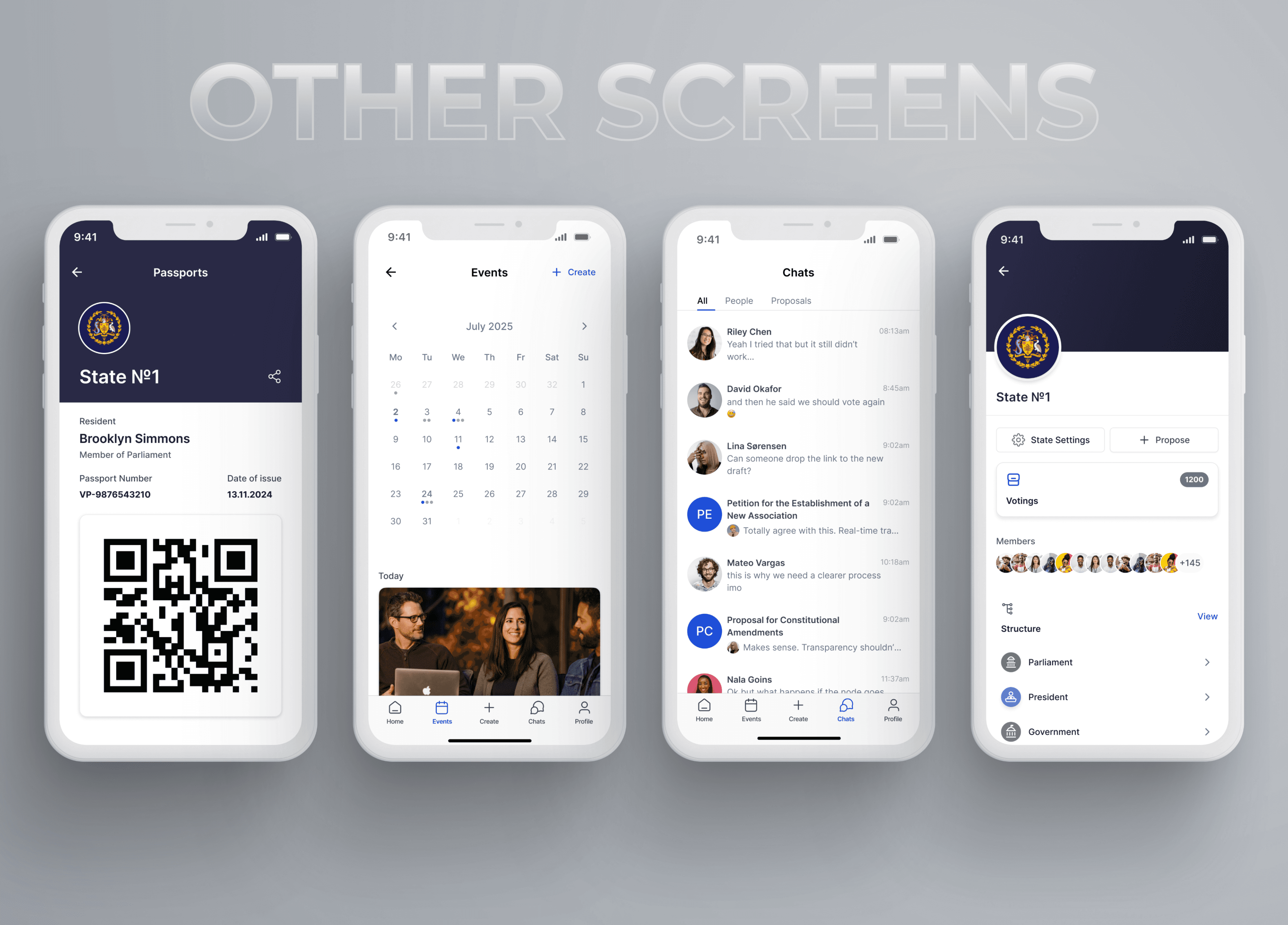
After deployment, a state comes to life in mobile applications, where users hold votes and elections, propose initiatives, and engage in other governance activities.
Visit website

Initial problem
Non-professional users struggled to understand it, mobile users couldn’t navigate the homepage. Many users failed to complete voting flows.
Conversion
Frequent project creation errors led to low conversion to a complete digital state.
Interaction Friction
High interface complexity blocked users from completing the end-to-end flow from creation to usage of a digital state.
Retention
User engagement dropped after one or two voting sessions, even in created states.
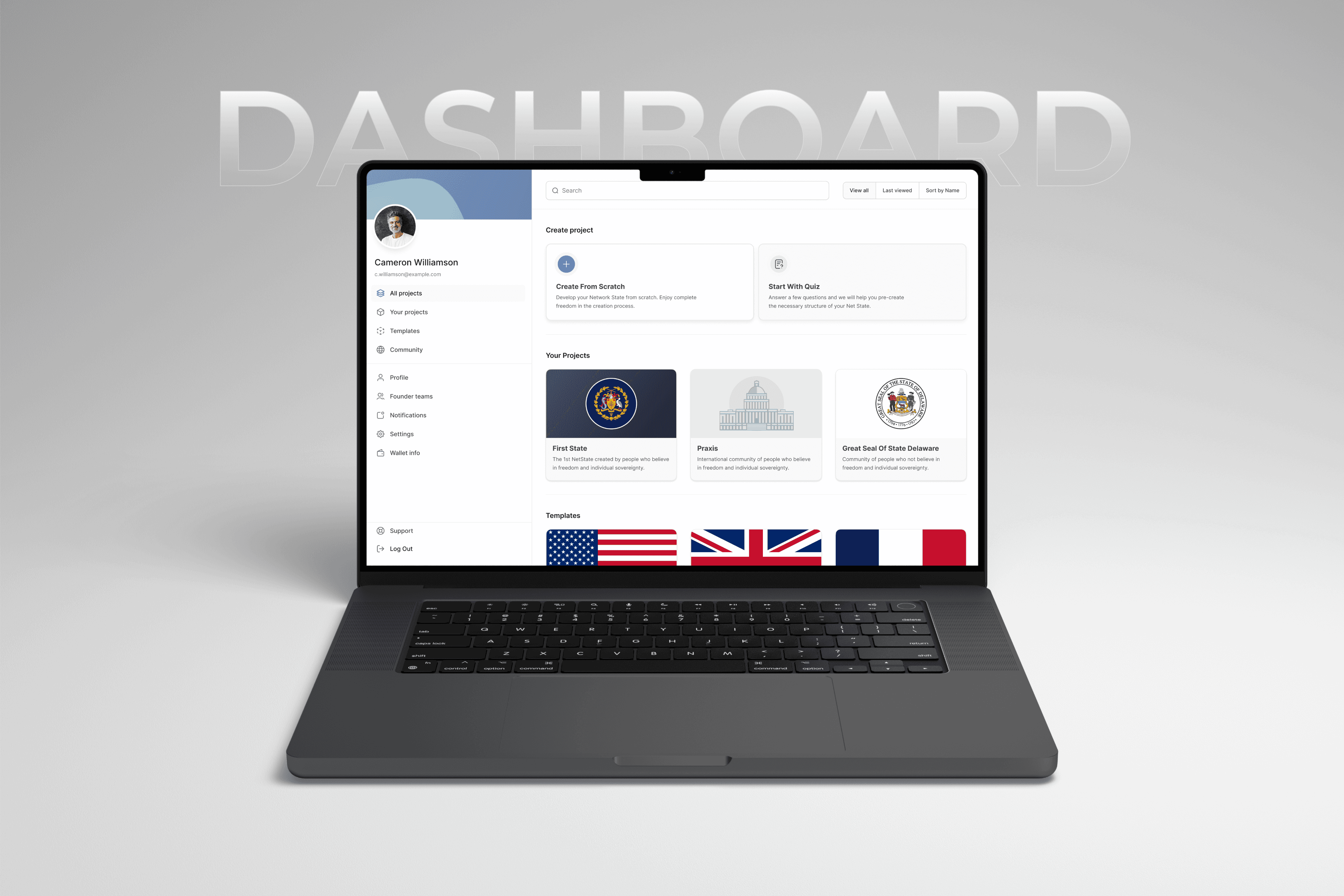
State Builder screen
Main screen
Voting flow
Objective
User’s perspective
Business
Tech
Process
The project was driven by systems thinking, combining research into governance models with user research to understand mental models and friction points.
Feedback from testing helped refine the design, making it clearer and easier to scale.
The final solution enables users to design flexible governance systems without sacrificing usability.
+5
Phase 1
Research & Insights
User interviews
Task analysis to understand where users got stuck.
User journeys mapping and identified key confusion points.
Phase 2
Structure & System Thinking
Defined governance entities.
Built wireframes to test entity relationships and flows.
Phase 3
Visual Design & Prototyping
Created UI components with consistent visual logic for each entity type.
Iterated on layout and navigation patterns based on feedback.
Get approval for large-scale project changes from project owners and investors.
Phase 4
Feedback & Refinement
Conducted usability tests on prototypes.
Integrated feedback into final UI to improve clarity and reduce complexity.
Deliverables
Mobile App
Thanks for reading
Ready to get in touch?